Field guide / 02
What makes a Finnish sauna
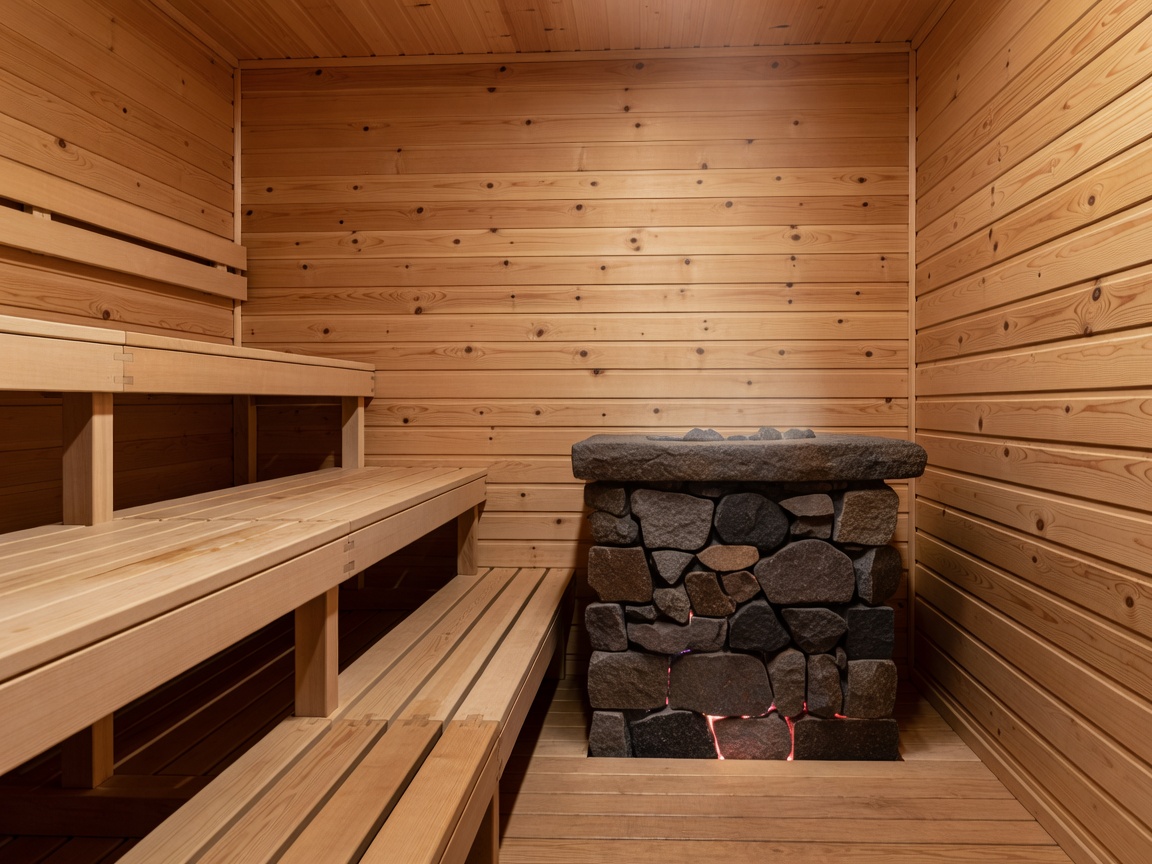
A sauna is a warm, often wood-lined room with benches and a heater. Water may be poured onto hot stones to create löyly: a brief wave of humid heat. The word describes the steam and the atmosphere it creates. A cabin sauna can be in the main house or a separate building. Layout, temperature control, ventilation and instructions vary.
There is no single temperature that suits everyone. A thermometer reading does not describe how the room feels on every bench, and added water changes humidity and sensation. Start gently. Use the lower bench or leave the room if heat feels uncomfortable. The property’s heater guidance takes precedence over general advice.
Wood-heated and electric heaters
A wood-heated sauna uses a stove fired with suitable fuel. It takes time to light and warm, and requires attention to the fire, ventilation and ash handling. Follow the cabin instructions exactly. Never use a stove with a damaged flue, block air openings or leave an active fire unattended when instructions require supervision. Keep children away from hot surfaces and store firewood where directed.
An electric heater is usually controlled by switches or a thermostat. Learn which controls operate the heater and how long the cabin asks you to preheat it. Do not put objects on the heater or cover its air circulation area. Do not pour water on an electric heater unless the manufacturer and property instructions expressly allow it. Both types need clear operating guidance.
Prepare the room and your visit
Check the booking information for heater type, start-up process, water source, towels and cleaning duties. Allow enough time for the room to warm rather than trying to rush the process. Bring a towel to sit on, a clean towel for drying and water for drinking. Remove jewellery or items that may become hot. Keep glass containers out of the sauna.
Shower before entering if that is the property’s stated practice. Wear a swimsuit or use a towel according to the cabin rules and the preferences of everyone sharing the sauna. In a private cabin, guests can agree their own routine. Shared facilities call for clear communication and respect for privacy. Ask before adding water to the stones if other people are present.
Etiquette, cooling and lake swimming
Sauna etiquette is simple: respect other people’s space, keep voices considerate, and do not assume everyone wants the same heat or bathing arrangement. Take a break whenever needed. Cool down at a pace that feels comfortable. A porch, fresh air or a room-temperature rest may be enough. Drink water and avoid turning the visit into a test of endurance.
Some people alternate sauna and a lake dip. Lake entry depends on water temperature, weather, footing, access and personal ability. Cold water can be a shock. Do not jump in unfamiliar water, swim alone in unsafe conditions or enter when impaired. Use a lit, clear route and dry yourself before returning indoors. In winter, use only access specifically prepared and maintained for that purpose; do not assume ice is safe.
Seasonal use and safety
In winter, the walk between the sauna and the cabin can be cold or slippery. Set out footwear, a robe and a light. Keep doors and paths usable, and check the property’s instructions for freezing water lines. In warmer months, ventilation and insects may affect comfort. The sauna still needs safe heating and enough recovery time between rounds.
Do not use sauna when intoxicated or when you feel unwell. Leave immediately if you feel faint, dizzy, nauseated or distressed, and seek help if symptoms are serious. Sauna is not a medical treatment and should not be treated as a guarantee of health effects. Anyone with a health concern should make their own informed decision and seek qualified advice where appropriate.
Good for
A sauna suits guests who enjoy a calm bathing routine and are comfortable following heater instructions. A wood-fired room suits people who do not mind preparation and fire management. An electric sauna may suit guests who prefer controls that are more direct. Neither option is automatically better; maintenance and the cabin’s operating guide matter.
What to know
- Confirm the heater type and start-up instructions.
- Bring drinking water, towels and suitable footwear.
- Do not assume lake swimming or winter ice is safe.
- Leave the heat if you feel unwell or uncomfortable.
- Check whether the sauna is private, shared or separately located.
Keep the routine unhurried. Prepare the room safely, communicate with other bathers and choose a cooling option that fits the conditions.